

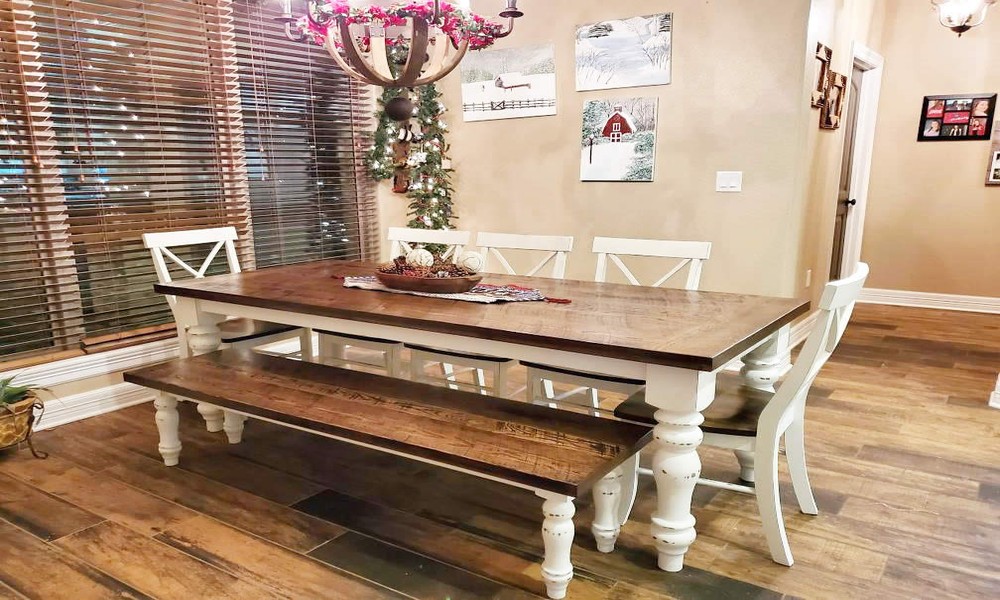
I work with people who already know what a dining table means in daily life. You eat there, work there, host there, and gather there. I care about helping you make a choice that lasts and fits how you live. I base my advice on build quality, materials, design control, and how a piece ages over time. That is what I will walk you through here, along with how to shop for custom dining tables when standard furniture falls short.
A good dining table solves real problems. It fits your space. It supports your routine. It looks right years later. I will explain how to think about buying a dining table, how custom tables change the decision, and why solid wood matters if you want furniture that stays relevant and usable long term.
Why the dining table choice matters
I see many people treat the dining table as a quick purchase. That often leads to regret. Tables affect traffic flow, seating comfort, storage needs, and even how often people gather. A poor fit can make a room feel tight or unused.
I suggest you think about your table as a fixed anchor in your home. Once it arrives, other furniture adapts to it. That means the right size, shape, and build quality matter from the start.
A strong dining table should support:
- Daily meals
- Family gatherings
- Guests and holidays
- Work or homework sessions
- Long term use without loosening or warping
Buying off the floor versus building to order
I often see factory tables fail in two ways. They limit size options, and they cut corners on materials. Standard tables come in preset lengths and finishes. If your room sits between sizes, you compromise.
Custom tables remove that problem. You choose the length, width, height, edge style, base design, and finish. That control matters if you want the table to feel planned rather than dropped into the room.
I recommend custom when:
- Your space has tight walkways
- You want seating for a specific number of people
- You prefer solid wood over veneers
- You want a table that ages instead of wearing out
Why solid wood tables last longer
I always push people to look past surface finishes and into structure. Real wood behaves differently than composite materials. It can be refinished. It holds fasteners better. It gains character rather than damage.
Solid wood tables show grain variation, knots, and natural marks. Those features are not flaws. They are signs of material integrity. Over time, small wear marks blend into the surface instead of breaking it down.
If you want durability, look for:
- Solid hardwood construction
- Thick table tops
- Sturdy base joinery
- Finishes designed for daily use
Choosing the right table shape
Shape affects how a room functions. I help people choose shape based on layout, not trend.
Rectangular tables work best in long rooms and support large gatherings.
Round tables improve conversation and fit smaller spaces well.
Trestle and pedestal bases allow more leg room and flexible seating.
Farmhouse styles suit open layouts and casual use.
The key is matching the shape to movement patterns and seating needs.
What sets Red Leaf Tables apart
When I review custom furniture builders, I focus on process and materials. Red Leaf Tables stands out because they build every piece to order using solid wood and locally sourced lumber. They do not rely on prefabricated parts or mass production methods.
They work with you on dimensions, finishes, base styles, and surface details. That approach reduces mistakes and ensures the final table fits the room and household.
They preserve natural wood character such as knots and variation. Optional distressing allows control over how aged or clean the table looks. Their designs support daily life, from family meals to holidays, without sacrificing structure.
They guide buyers through choices rather than pushing sales. That matters if you want clarity without pressure.
How to think about budget and value
I help people separate price from value. A lower price often hides weaker joints, thin tops, or finishes that fail. A well built table spreads its cost over decades.
Custom tables cost more upfront. They save money long term by avoiding replacement. They also keep relevance as styles change.
I advise you to budget based on lifespan, not initial spend.
Shopping tips I give clients
When you shop for dining room furniture, I suggest you:
- Measure the room with chairs pulled out
- Decide how many people you host regularly
- Choose wood that fits your climate and use
- Pick finishes that hide wear rather than highlight it
- Ask about build timelines and delivery
Final guidance
If you want a dining table that fits your home, supports daily use, and holds value over time, custom furniture solves problems that factory tables create. Solid wood construction, made to order dimensions, and thoughtful design make a difference you feel every day.
I point people toward builders who treat dining furniture as long term pieces rather than fast inventory. Red Leaf Tables fits that approach through craftsmanship, material choice, and a guided buying process focused on fit and durability.
If you value a table that becomes part of your routine rather than something you work around, custom is the right path.
