

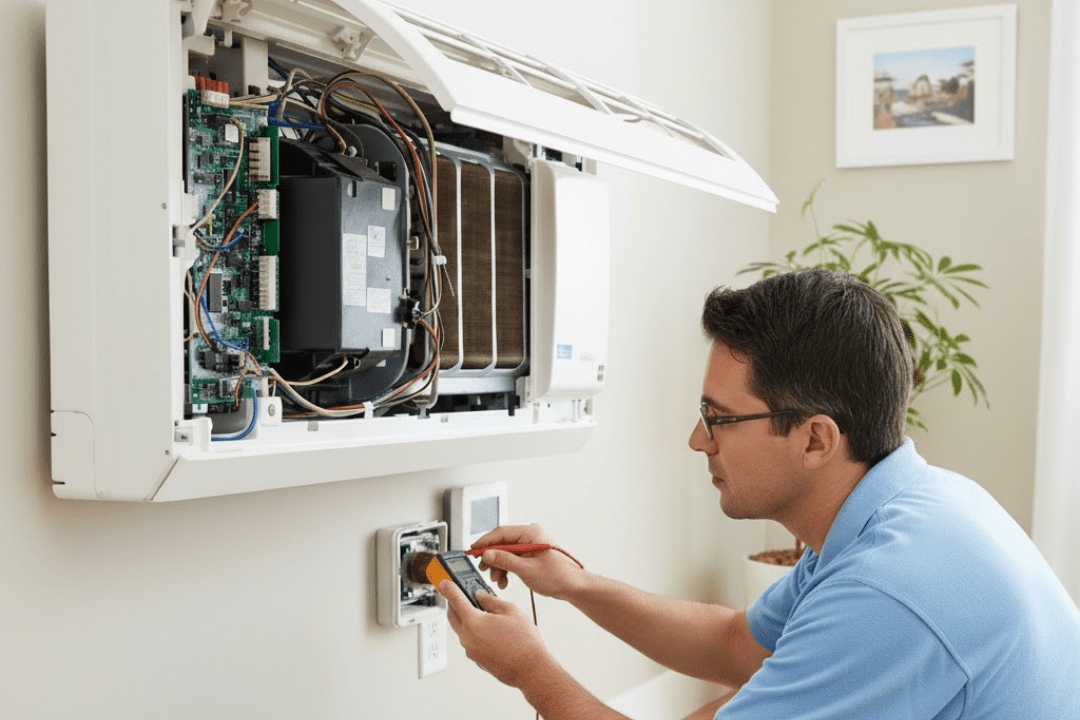
Have you ever been told your HVAC system needs a major repair, only to find out later the issue was something electrical and much smaller? Low voltage instability is one of the most common reasons HVAC problems are misdiagnosed, and it happens more often than homeowners realize.
Let’s take a closer look at why unstable low voltage can confuse both systems and symptoms.
What Is Low Voltage In An HVAC System?
Your HVAC system relies on low voltage power, usually around twenty four volts, to control key components like the thermostat, contactor, relays, and control boards. When that voltage drops even slightly, parts may receive just enough power to appear functional but not enough to work properly.
This creates confusing symptoms that look like mechanical failure rather than an electrical supply issue.
Why Low Voltage Makes Parts Look Broken
When voltage is unstable, components behave inconsistently. Contactors may buzz loudly without fully engaging. Motors may try to start but fail. Thermostats can reboot, lose connection, or display error codes that suggest something far more serious is wrong.
To the untrained eye, these signs point to failed parts. In reality, the component is simply being starved of the power it needs to operate normally.
How It Mimics Serious Mechanical Problems
Low voltage forces motors and compressors to draw extra current to compensate. This extra strain creates heat, noise, and shutdowns that resemble worn out motors or failing compressors.
In zoned homes, dampers may move slowly or get stuck, leading to airflow issues that seem mechanical. Even control boards can reset or throw false fault codes when voltage fluctuates.
Without testing voltage stability first, it is easy to mistake electrical symptoms for mechanical failure.
Why This Happens In Local Homes
In many Southern California neighborhoods, aging electrical panels, overloaded circuits, and long summer cooling cycles increase the risk of voltage drops. Homes running pool equipment, electric vehicle chargers, and high-demand appliances at the same time often experience these hidden electrical issues.
That is why accurate diagnostics matter more than ever in our local climate.
The Importance Of Proper Diagnosis
A correct diagnosis always starts with checking voltage consistency before replacing parts. When this step is skipped, homeowners may pay for repairs they never actually needed.
Service Champions technicians are trained to look deeper. By identifying low-voltage instability early, we help homeowners avoid unnecessary expenses and protect long-term system performance.
With professional testing and local experience, these issues can be identified correctly the first time. Service Champions helps Southern California homeowners get honest answers and reliable comfort without guesswork.
