

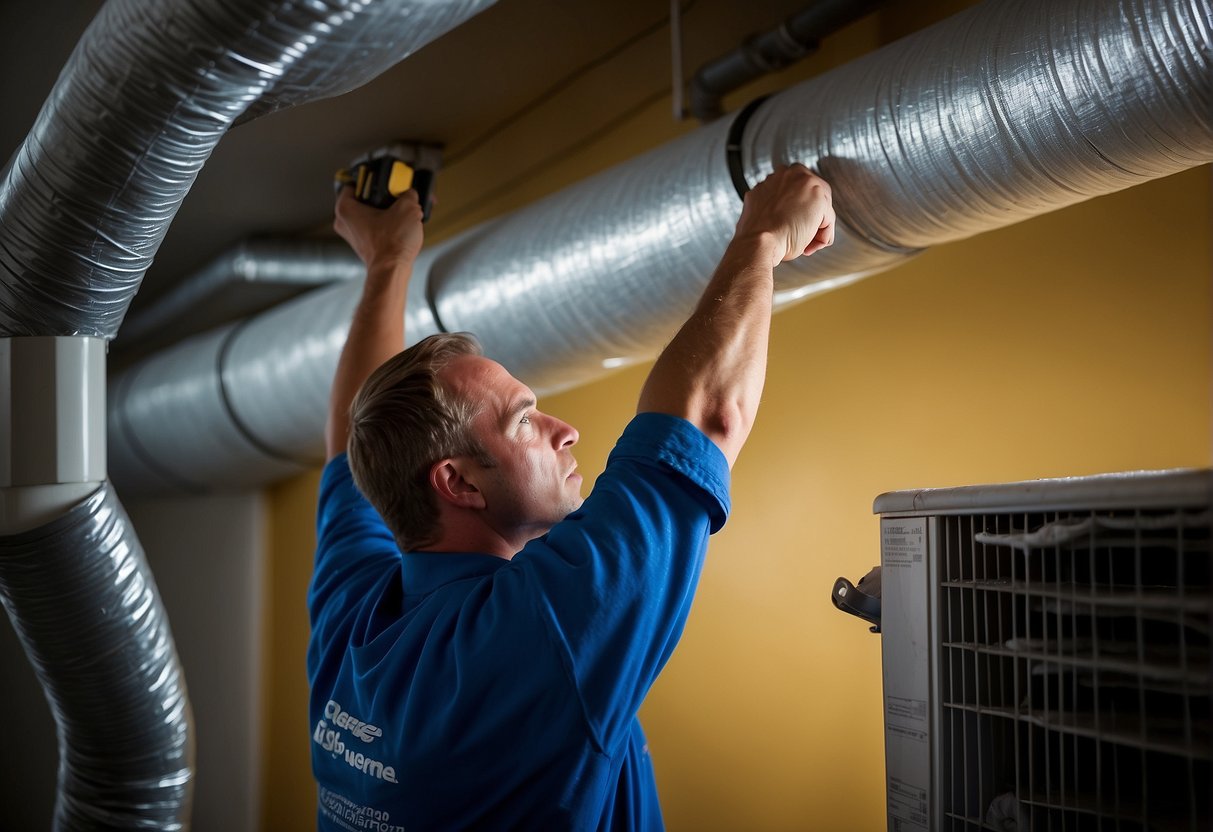
Colorado homes are built tough. They face freezing winters, blazing summer sun, and dry, windy air rolling down the Rocky Mountains.
Most of the time, your HVAC system does a good job keeping you comfortable. But sometimes, your system struggles even when it seems like everything should be perfect. One common reason is insulation problems.
You may think over-insulated rooms are choking your HVAC. But the real issue is poor insulation in specific areas, gaps in sealing, or insulation that was installed incorrectly.
These weak spots create temperature chaos inside your home and force your HVAC system to fight a battle it can’t win alone.
How Insulation Problems Hurt HVAC Performance
Uneven Temperatures
Ever felt one room is cozy while another feels like a freezer or sauna? That happens when insulation fails to block outdoor heat or cold. Sun-facing walls and upstairs rooms heat up faster in summer and lose heat faster in winter. Your HVAC runs, but comfort doesn’t spread evenly.
Higher Energy Bills
If heat keeps entering through cracks or poorly sealed areas, the AC or furnace runs longer. More runtime equals more energy. Trying to save money by adjusting settings won’t help if insulation keeps leaking air.
Short Cycling
What is short cycling? It’s when the system turns on and off too fast. This often happens when a unit is oversized to mask insulation issues. The air cools or heats quickly, the system shuts off early, and starts again before circulating properly. That extra strain wears down key parts faster.
Humidity And Air Quality Problems
Why does the air still feel damp or dusty even when the AC works? Because the system isn’t running long enough to remove moisture, and insulation leaks pull dusty attic or outdoor air inside. This can lead to sneezing, itchy eyes, musty smells, or mold starting quietly around ducts or walls.
Smart Solutions For Better Performance (Quick Fixes)
- Seal insulation gaps around windows, ceilings, outlets, and walls
- Keep supply and return vents open and free from furniture or curtains
- Replace dusty or clogged AC filters often for better airflow and allergy control
- Get ducts checked and sealed to stop hidden air leaks
- Move the thermostats away from direct sun or heat sources for accurate readings
- Have a pro confirm your HVAC system size with an airflow and pressure test
Final Thought
Does insulation hurt HVAC? Not when it’s installed and sealed correctly. But bad insulation silently damages comfort, efficiency, air, and system health. Checking early and fixing small problems saves big money later.
Want real help from local pros? SWAN Plumbing, Heating & Air Conditioning, Inc. is here for altitude calibration, airflow balance, air quality solutions, and system health inspections. Call us before a small struggle turns into a big repair.
