

Buying an existing or older home in Central Texas can be exciting. Whether you’ve purchased a charming mid-century property in Austin, a ranch-style home in San Marcos, or a fixer-upper in Georgetown, you may have scored a great deal and a property full of character.
But sometimes, character comes with a catch.
If you’re starting to notice odd switches, mismatched outlets, loose junction boxes, or circuit breakers that don’t quite make sense, there’s a good chance the previous owner handled electrical repairs as DIY weekend projects. When it comes to wiring and power distribution, that can create serious safety risks. In these situations, hiring a Licensed Electrician isn’t just a smart move – it’s essential.
This guide is for Central Texas homeowners who suspect their home has a history of do-it-yourself electrical work. We’ll walk through the warning signs of subpar repairs, the risks involved, and whether a handy homeowner should attempt electrical upgrades themselves or leave the work to Texas professionals.
Why DIY Electrical Work Is So Common in Older Central Texas Homes
Across communities like New Braunfels and Kyle, many homes were built decades ago – long before modern electrical demands became standard. Over time, homeowners added:
- Garage refrigerators
- Outdoor lighting
- Hot tubs
- Home offices
- Workshop circuits
- EV chargers
Instead of hiring professionals, some previous owners may have:
- Added outlets by tapping into existing circuits
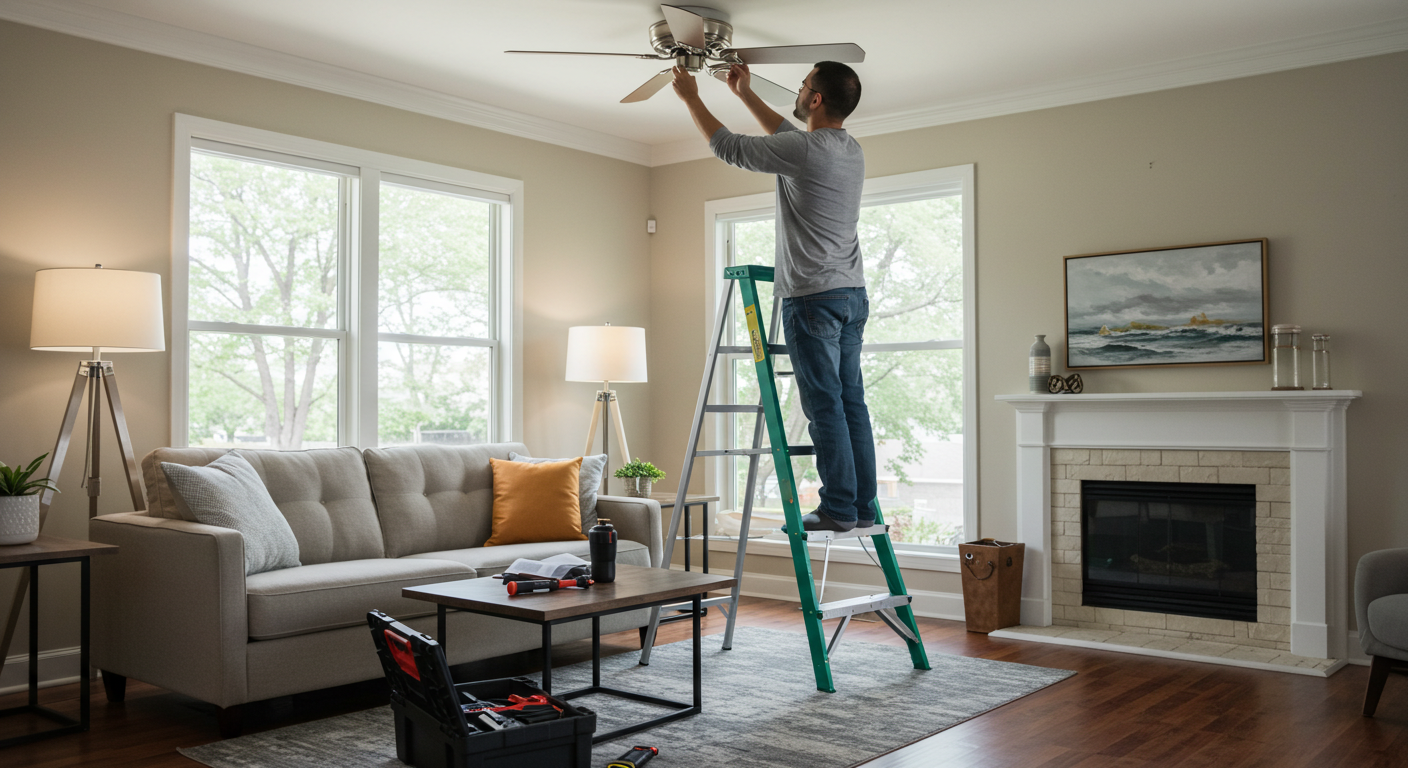
- Installed ceiling fans without proper bracing
- Extended wiring without permits
- Swapped out panels without upgrading service capacity
While some handy individuals have good intentions, electrical systems are complex and governed by strict code requirements in the State of Texas. Improper work can remain hidden behind drywall for years – until something fails.
That’s when a Licensed Electrician becomes critical.
Signs Your Home Has Subpar DIY Electrical Repairs
If you recently bought a home in Buda or Round Rock and suspect past DIY electrical work, here are common warning signs to watch for:
1. Mismatched Outlets and Switches
Different colors, styles, or brands of outlets in the same room may indicate piecemeal replacements. While cosmetic inconsistency alone isn’t dangerous, it can signal that work was done without evaluating the overall circuit load or wiring integrity.
2. Warm or Buzzing Switch Plates
If a switch plate feels warm or you hear faint buzzing sounsds, that’s a red flag. Loose connections, undersized wiring, or overloaded circuits are often the cause – all signs of improper installation.
3. Extension Cords Used as Permanent Solutions
DIY-minded homeowners sometimes run extension cords through attics or walls to power new spaces. This is not code-compliant and can become a fire hazard.
4. Double-Tapped Breakers
Open your panel and look carefully (or better yet, have a Licensed Electrician inspect it). Double-tapped breakers – where two wires are connected to a breaker designed for one – are a common DIY mistake.
5. No GFCI Protection in Wet Areas
Bathrooms, kitchens, garages, and outdoor outlets in Texas homes must have GFCI protection. If they don’t trip when tested, or if they aren’t present at all, the work may not meet modern safety standards.
6. Flickering Lights When Appliances Turn On
This can indicate undersized wiring or overloaded circuits. In homes where previous owners added new appliances without upgrading the electrical panel, voltage drop becomes noticeable.
7. Uncovered Junction Boxes
Sometimes you’ll find open splices hidden in attics or garages. Electrical connections must always be enclosed in approved junction boxes with covers. Anything else is unsafe.
The Hidden Dangers of Poor DIY Electrical Work
Electrical mistakes don’t always show immediate symptoms. That’s what makes them dangerous.
Improperly installed wiring can cause:
- Electrical fires inside walls
- Shock hazards
- Appliance damage
- Insurance claim denials
- Failed home inspections during resale
In fast-growing areas like Cedar Park, many buyers renovate and flip properties quickly. If corners were cut to save time or money, those shortcuts can become your problem.
Hiring a Licensed Electrician ensures your home meets current Texas code requirements and helps protect your family and investment.
Is It Ever Okay for a Handy Person to Do Electrical Work?
This is a common question among Central Texas homeowners.
The honest answer? It depends on the task – but most significant electrical work should be left to a Licensed Electrician.
Minor Tasks That May Be Acceptable (If You’re Knowledgeable)
- Replacing a light fixture (with power safely shut off)
- Swapping out a faceplate
- Replacing a switch or outlet with the same type (no wiring changes)
Even then, you must follow safety protocols and local regulations.
Tasks That Should Always Be Left to Professionals
- Electrical panel upgrades
- Adding new circuits
- Rewiring rooms
- Installing EV chargers
- Running underground wiring
- Generator interlock systems
- Hot tub or pool wiring
Texas requires permits and inspections for many of these projects. A Licensed Electrician understands load calculations, grounding requirements, arc fault protection, and code compliance – things that go far beyond basic wiring knowledge.
Why Texas Licensing Matters
In Texas, electricians must meet strict training and testing requirements to earn licensure. They:
- Complete classroom education
- Log thousands of supervised work hours
- Pass state exams
- Stay updated on National Electrical Code changes
When you hire a Licensed Electrician in Central Texas, you’re hiring someone who understands regional conditions – including heat exposure, soil conditions, and storm-related surge protection needs.
That local experience matters, especially in areas like Temple and Belton where expanding neighborhoods are blending new builds with older homes.
What a Professional Electrical Inspection Can Reveal
If you suspect past DIY electrical repairs, scheduling a comprehensive inspection is the smartest first step.
A Licensed Electrician will:
- Open and inspect your electrical panel
- Check breaker sizing and wire gauge
- Test GFCI and AFCI protection
- Inspect attic and crawlspace wiring
- Look for illegal splices
- Evaluate grounding and bonding
- Verify surge protection
Many homeowners are surprised at how many hidden issues are uncovered – especially in homes built before the 1990s.
The Cost of Fixing DIY Work vs. Doing It Right the First Time
DIY electrical work may seem cheaper initially, but it often leads to:
- Rework costs
- Drywall repairs
- Panel replacements
- Higher insurance premiums
- Reduced home value
If you plan to sell your Central Texas home in the future, buyers and inspectors will scrutinize electrical systems. Clean, professional work performed by a Licensed Electrician gives buyers confidence and helps your home pass inspection smoothly.
Protecting Your Investment in Central Texas
Central Texas real estate continues to grow in value, particularly in areas surrounding Austin. Protecting your property means ensuring its electrical system is safe, code-compliant, and capable of handling modern demands.
Whether you’re adding:
- A home office
- A workshop
- A pool
- Outdoor kitchen lighting
- Smart home systems
Professional installation ensures the infrastructure behind the walls supports your lifestyle safely.
Peace of Mind Is Worth It
Electrical work isn’t just about convenience – it’s about safety.
If your home shows signs of amateur repairs or pieced-together upgrades, don’t ignore them. Even small issues can point to larger hidden problems. Bringing in a Licensed Electrician provides clarity, compliance, and peace of mind.
In growing Central Texas communities, homeowners value quality craftsmanship and safety. Choosing a Licensed Electrician that Central TX natives trust ensures your home’s electrical system is not just functional – but reliable for years to come.
Final Thoughts
Owning an older home with personality and charm is a wonderful experience. But if that charm includes questionable wiring from past DIY projects, it’s time to take action.
While handy homeowners can handle minor cosmetic changes, electrical systems are too important to leave to guesswork. Code requirements, safety standards, and long-term reliability all point to the same conclusion: when in doubt, call a Licensed Electrician.
Your family’s safety, your home’s value, and your long-term peace of mind are worth doing it right.
