
In carpet care, steam cleaning is often used as a nickname for hot water extraction. That wording should not be treated as a complete description of a rental machine or its instructions. Ask what the equipment actually applies, what it recovers and which method the carpet manufacturer permits before selecting a machine by the nickname alone.
A Toronto household may use the same phrase for a previous professional carpet service, a steam mop and a rental extractor. The shared word can conceal very different expectations. Clarifying the process is more useful than debating which casual term a neighbour used, particularly before water or cleaning solution enters the equipment.
A familiar nickname can cover different expectations
The distinction is recognized in technical terminology. The public description of AATCC’s TM171 carpet-cleaning test method identifies hot water extraction and notes that it is sometimes incorrectly called steam cleaning. This is evidence of the naming ambiguity, not a claim that a particular rental has been tested or certified to that method.
One person hearing steam may imagine a jet of vapour. Another may mean a machine that applies a liquid cleaning process and recovers it. A third may simply mean a thorough professional clean. Those interpretations need to be separated before the provider can answer a request accurately.
Start by describing the surface and the intended result in ordinary words. For example, the job may be routine maintenance of an identified fitted carpet under its care instructions. That gives the discussion a firmer basis than requesting the hottest steam machine, which assumes both a method and a performance advantage that have not been established.
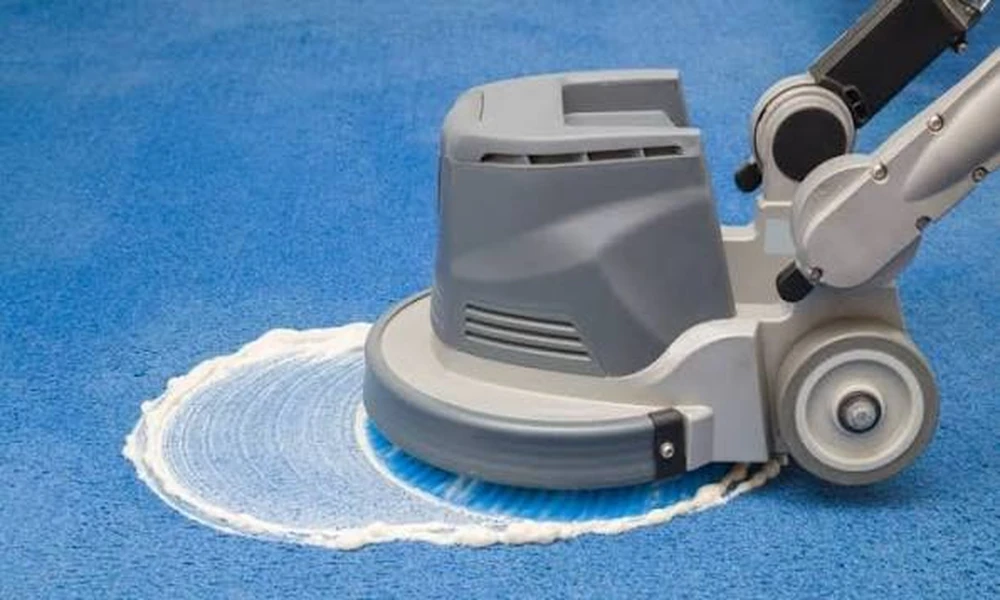
A photograph of a machine used previously can help identify what someone means, but it is not an operating guide for the next hire. Product names and appearances can change, and two machines with similar handles may work differently. The actual supplied model must remain the reference point.
Ask what the machine applies and what it recovers
A useful equipment explanation follows the working process: what goes into the appropriate tank, how the intended cleaning application is made and how recovery is handled. The provider should connect those functions to the supplied machine’s instructions. The household should not have to infer them from a sales phrase about deep cleaning.
For equipment described on the carpet water-extractor product page, confirm the current model and its intended application with the rental provider. Ask directly about permitted fill temperature and approved products. Do not assume that the nickname steam means the machine boils water, heats it internally or accepts water at any temperature.
These questions should be answered without modifying the equipment. Adding hotter water to force a supposed steam effect is not a substitute for following the manufacturer’s limit. Likewise, adding a product to a tank that is intended for another purpose changes the process. The label on a generic cleaner does not override the machine’s own directions.
The recovery side deserves equal clarity. Know which container receives recovered liquid and which maintenance actions are permitted during the job. This is not a request to open internal parts or redesign hoses. It is about understanding the normal process well enough to avoid treating an extractor like a different appliance.
The carpet’s approved process decides the match
Once the machine’s method is understood, compare it with the carpet’s care requirements. A method familiar from another home is not automatically appropriate for this floor. The installed product’s fibre, construction and manufacturer guidance matter more than the fact that a rented machine is marketed for carpets generally.
If the care information specifies professional cleaning, do not quietly translate that into permission for any household rental procedure. Clarify the requirement with the retailer or manufacturer. There may be conditions about who performs the work or how it is documented that are separate from the name of the equipment.
Conversely, an approved extraction process should not be rejected merely because a leaflet or previous cleaner used the colloquial word steam. Establish whether the two descriptions refer to the same intended method. The aim is accurate understanding, not a vocabulary test that leaves the real carpet-care question unanswered.
Do not use heat as a universal measure of cleaning quality. A stronger-sounding temperature claim does not establish suitability for a particular carpet or stain. Follow the approved process rather than assuming the greatest heat, most liquid or longest working time must produce the best result.
A health or disinfection claim would need its own relevant support. The presence of steam-related wording does not provide that support. Keep a routine carpet-maintenance enquiry focused on the permitted cleaning task, and seek appropriate specialist advice if the situation involves contamination or another concern beyond ordinary household soil.
Keep the nickname out of operating instructions
Casual shorthand can remain useful in conversation, but working instructions should identify the actual controls, containers and permitted materials. “Fill the steamer” is not enough if two people understand different temperatures or products. Use the supplied model’s terms when explaining the task to the person who will operate it.
If a provider’s explanation and a carpet-care document appear to conflict, resolve the specific point before starting. Quote the relevant wording and name the product or model. The answer may be a clarification of terminology or it may change the selected method. Either is preferable to choosing whichever instruction sounds more familiar.
A clear rental enquiry ends with an understood process, even if everyone still uses a different nickname for it. The operator should know what is permitted, the carpet should receive suitable care and the result should be judged against that agreed task. The word steam can begin the conversation; it should not be left to do the work of the instructions.
