

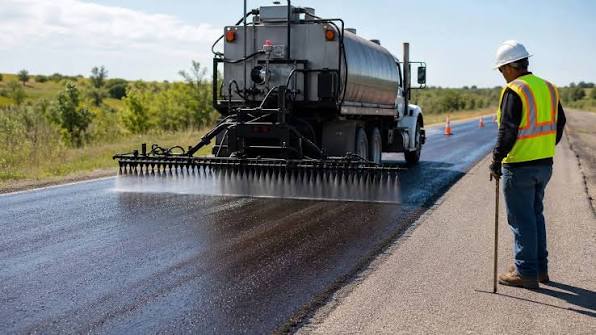
Introduction
Estimating the right amount of asphalt is an important step before any paving project begins. An accurate estimate helps contractors plan the project efficiently, manage material costs, and reduce unnecessary waste. It also allows property owners to understand the scope of the work and prepare their budgets accordingly. Since every paving project has different requirements, contractors carefully assess several factors before calculating the amount of asphalt needed. Understanding this process provides a better idea of how paving projects are planned and why accurate estimates are essential for successful results.
Before any measurements are finalised, many contractors follow an Estimate Asphalt Quantities Paving Begins Guide to organise site information, verify dimensions, and identify any conditions that could affect material calculations. Using a structured approach allows them to account for factors such as pavement thickness, existing surface conditions, and project layout before ordering asphalt. This early planning not only improves estimating accuracy but also helps minimise delays, control costs, and ensure the paving project has the materials needed to proceed efficiently from start to finish.
Measuring the Paving AreaThe first step in estimating asphalt quantities is measuring the area that will be paved. Contractors calculate the length and width of the surface to determine the total square footage or square metres.
Accurate measurements are important because even small errors can affect the amount of asphalt required. Careful calculations help ensure that enough material is available without ordering more than necessary.
Determining Pavement Thickness
The required thickness of the asphalt layer is another key factor in the estimation process. Different commercial properties have different traffic demands, so pavement thickness is selected based on the expected use.
Areas that support heavier vehicles generally require thicker asphalt layers than areas used mainly by passenger vehicles. Choosing the correct thickness helps improve the pavement’s durability and long-term performance.
Evaluating Site Conditions
Contractors also examine the condition of the existing surface before preparing an estimate. They check for cracks, potholes, uneven areas, drainage concerns, and foundation problems.
If repairs or additional site preparation are required, the amount of asphalt needed may change. A detailed site evaluation helps create a more accurate estimate and reduces unexpected issues during construction.
Considering Material Density
The density of asphalt is another factor that influences quantity calculations. Contractors use standard material measurements to estimate the amount of asphalt required for the project’s size and pavement thickness.
These calculations help ensure the correct quantity of material is available while reducing waste and avoiding unnecessary shortages during paving.
Planning for Material Waste
Although careful planning reduces waste, contractors usually allow for a small amount of extra material. This helps account for minor adjustments during paving, changes in site conditions, or small variations in the installation process.
Including a reasonable allowance helps keep the project moving smoothly without unnecessary delays caused by material shortages.
Reviewing Project Requirements
Each paving project has unique requirements that can influence the final estimate. Features such as parking spaces, loading areas, driveways, and access roads may require additional planning and calculations.
Contractors review the complete project layout to ensure every section is included when estimating asphalt quantities.
ConclusionEstimating asphalt quantities before paving begins involves much more than measuring the surface area. Contractors carefully evaluate the paving area, pavement thickness, site conditions, material density, possible waste, and overall project requirements before preparing a final estimate. This detailed planning process helps improve efficiency, reduce unnecessary material use, and support successful project completion. Accurate asphalt estimates provide a strong foundation for quality paving work while helping property owners and contractors manage both costs and resources more effectively.
