

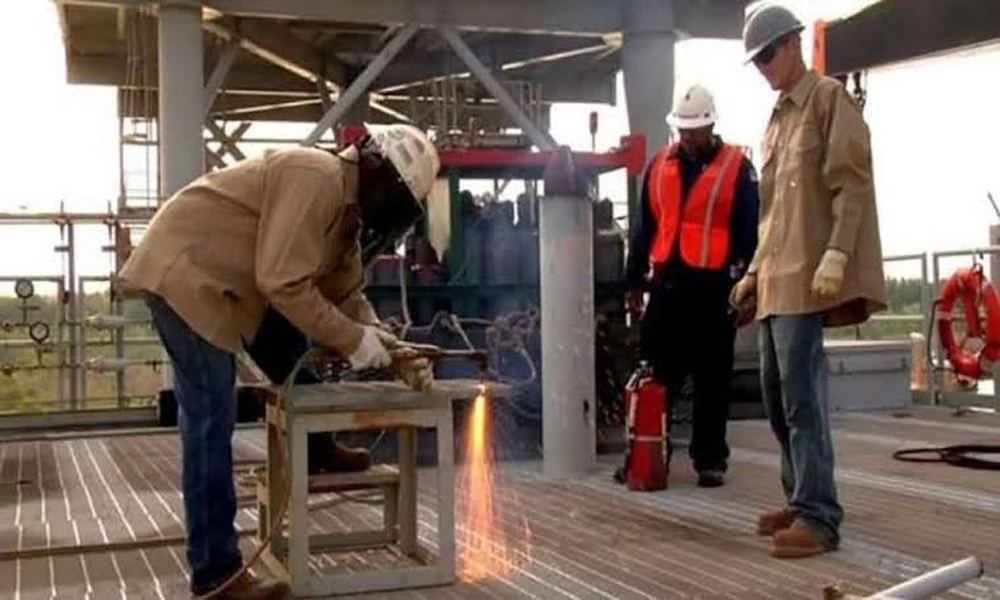
Fire safety requires teamwork. Coordinating fire watch guards with security personnel and emergency responders improves communication, strengthens preparedness, and supports quicker action when fire risks arise at high-risk locations.
Effective coordination is especially important when fire watch personnel work alongside security staff and emergency responders. Choosing reliable fire watch security Escondido can help ensure that guards understand how to communicate hazards, share critical information, and support established emergency procedures without exceeding their assigned responsibilities. When each team understands its role and follows consistent communication protocols, the property is better prepared to respond efficiently when a fire-related threat occurs.
Understanding Each Team’s Role
Before an assignment begins, every team should understand its responsibilities. Fire watch personnel generally focus on identifying fire hazards, conducting patrols, monitoring high-risk areas, and reporting unsafe conditions.
Security personnel may handle access control, crowd management, protecting restricted areas, and supporting evacuation procedures. Emergency teams, including fire and medical responders, handle incidents according to their professional training and established emergency protocols.
Clearly defining these roles can reduce confusion during an emergency.
Establishing Communication Procedures
Communication is one of the most important parts of effective coordination. Fire watch personnel should know how to contact security supervisors, site management, and emergency services when necessary.
Communication procedures should identify:
- Primary and backup communication methods
- Important contact numbers
- Emergency reporting responsibilities
- Locations where communication equipment is available
- Procedures for escalating serious hazards
Using clear and consistent communication methods can help ensure that important information reaches the right people quickly.
Sharing Information About Fire Hazards
Fire watch personnel spend significant time observing the property and may identify hazards before an emergency develops. Sharing this information with security teams can help create better overall awareness.
For example, guards may report blocked exits, combustible materials, electrical concerns, hot work activities, or changes to high-risk areas. Security personnel can then communicate relevant information to supervisors or other responsible teams.
Coordinating During an Emergency
When smoke, flames, or another serious hazard is discovered, coordination becomes even more important. Fire watch personnel should follow the property’s emergency plan and immediately communicate the situation through the designated channels.
Security personnel may assist with controlling access, guiding occupants, maintaining clear emergency routes, or supporting evacuation procedures when instructed. Emergency responders can then take control of the incident according to their training and authority.
Each team should avoid taking actions outside its assigned responsibilities.
Keeping Emergency Access Clear
Emergency vehicles need suitable access to reach affected areas quickly. Security personnel can help control vehicle and pedestrian movement, while fire watch guards can report obstructions or unsafe conditions affecting access routes.
Maintaining clear pathways can support emergency responders when they arrive at the property.
Conducting Pre-Event Briefings
Coordination should begin before an emergency occurs. Pre-shift or pre-event briefings can help teams review the property’s layout, emergency exits, communication methods, high-risk areas, and evacuation procedures.
These discussions also provide an opportunity to clarify who should be contacted for different types of incidents.
Maintaining Accurate Documentation
Records can help teams understand what happened during a shift or emergency. Fire watch personnel may document patrols, hazards, incidents, and actions taken. Security teams can maintain relevant access or incident records.
Accurate documentation can support post-incident reviews and help identify areas where safety procedures could be improved.
