

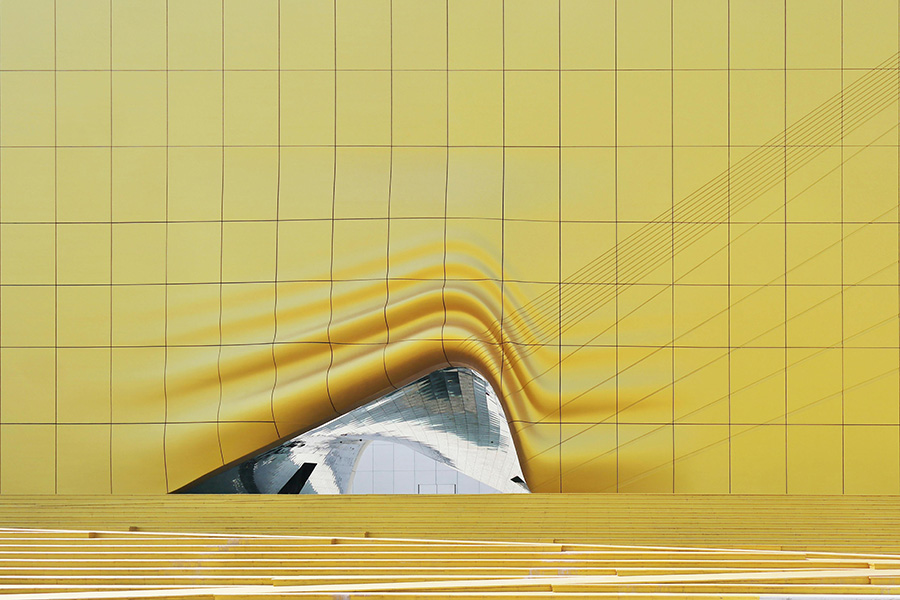
In the world of architecture, every detail contributes to the overall vision of a building — and one of the most powerful, yet often underestimated, elements is colour. From subtle tonal variations to bold, expressive statements, colour can transform a structure’s character, enhance its surroundings, and reinforce its purpose. For today’s architects, the ability to customise colour across various building components has become an essential part of modern design strategy.
As architectural trends evolve, so too do client expectations. Whether working on a high-end residential development, a commercial complex, or a public space, architects are increasingly expected to deliver designs that are not only functional but also visually striking. In this context, the use of bespoke colour solutions can be a game-changer — adding personality, reinforcing branding, or ensuring the building blends seamlessly with its environment.
Colour also plays a key role in material perception. For example, aluminium or uPVC window frames coated in a carefully selected shade can give a premium appearance while offering durability and low maintenance. Likewise, coloured cladding panels can turn a flat façade into a dynamic, textured surface that responds to light, shadow, and time of day. The flexibility of modern coatings allows architects to push creative boundaries without compromising on performance.
One of the main advantages of contemporary colour coatings is their durability. With advancements in spray application technology and the use of UV-stable pigments, coatings are now able to withstand harsh weather, pollution, and UV exposure without fading, peeling, or degrading over time. This not only maintains the visual quality of the building but also reduces long-term maintenance costs — a critical consideration for clients and developers.
When selecting a colour solution, collaboration is key. Working with a trusted specialist can ensure that coatings meet both aesthetic and technical specifications. This includes not just the right colour match, but also the appropriate gloss level, texture, and finish to suit the application — whether it’s a matte finish to reduce glare or a gloss coating to enhance vibrancy.
Sustainability is another driving force behind architectural colour choices. Today’s clients are more environmentally conscious, and architects are looking for ways to deliver visually impactful designs without compromising eco-credentials. Many colour coating systems now meet environmental standards, offering low-VOC or solvent-free options that align with green building practices.
Moreover, bespoke coatings can support heritage and conservation projects. In these cases, colour accuracy is crucial for restoring listed buildings or ensuring new developments remain sympathetic to historic surroundings. The ability to colour-match traditional finishes using modern, high-performance coatings allows for a seamless blend of old and new.
For architects looking to integrate customised, long-lasting finishes into their projects, expert support is essential. Kolorseal provides tailored colour coating for architects, combining technical expertise with an expansive colour library and meticulous application processes. Their solutions are trusted across residential, commercial, and industrial sectors, offering both creativity and reliability in equal measure.
In conclusion, colour is not just about decoration — it’s a vital part of architectural storytelling. The right colour choices can elevate a building’s design, create emotional resonance, and contribute to a lasting impression. With access to high-quality coatings and experienced professionals, architects have more tools than ever to bring their creative visions to life.
